Get Informed on crucial roofing maintenance to guarantee your home's security and structural strength.
The significance of maintaining a secure and long-lasting roof is undeniable. Many homeowners neglect essential roofing services until major issues develop. Regular inspections can uncover concealed damage, while knowing typical maintenance can avoid expensive deterioration. Understanding materials and the role of gutters also plays a crucial part in the lifespan of the roof. As homeowners manage these details, selecting a qualified roofer is vitally necessary. What measures should be taken to secure their investment?
Importance of Regular Roof Inspections
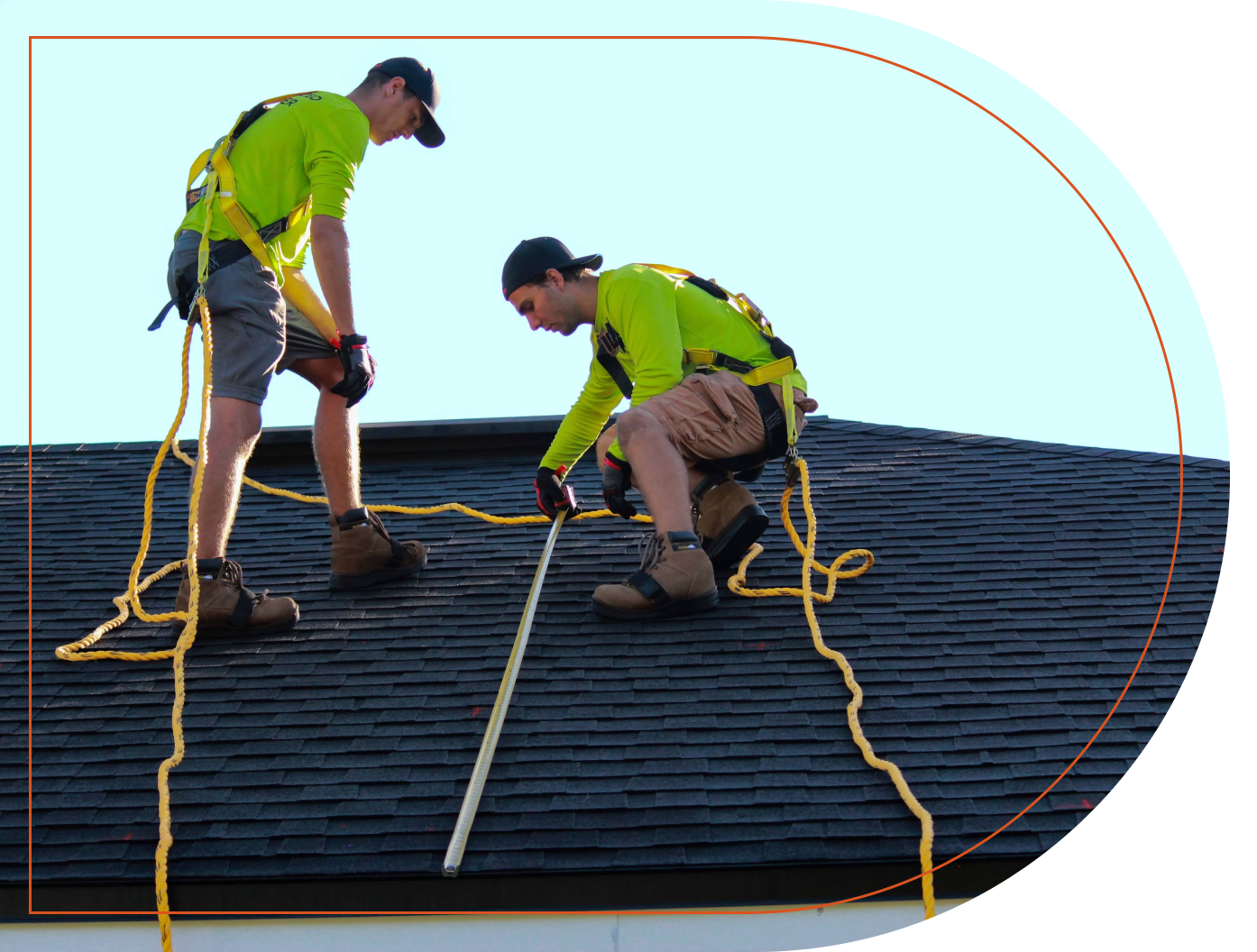
While some homeowners might ignore this, the necessity of routine roof checks is undeniable. Such assessments are vital for preserving the soundness of a home. Over time, roofs can suffer from wear and tear due to various environmental factors, including harsh climate, buildup of material, and aging materials. Periodic assessments uncover developing problems before they escalate into significant problems, such as leaks or structural damage. Moreover, proactive roof maintenance can prolong the existence of the roofing system, saving homeowners substantial repair costs in the long run. Assessments ought to be done annually at a minimum or following major storms. Engaging professional roofing services provides a detailed inspection, as skilled professionals notice initial evidence of decay that an amateur would overlook. Ultimately, prioritizing regular roof inspections ensures a protected living space, protecting both the property and its occupants.
Standard Roof Maintenance and Its Advantages
Periodic assessments do more than just find trouble but also make essential fixes possible when issues are found. Common roofing repairs include stopping water flow, swapping out broken tiles, and removing blockage from drainage. Repairing breaches immediately can avoid liquid harm and mold growth, protecting the house's integrity and inner rooms. Mending worn shingles strengthens the roof's structural integrity and boosts the visual appeal, ensuring lasting durability. Also, clearing gutters prevents water backup, which can lead to costly repairs and issues with the home's base.
These repairs contribute greatly to making the roof last longer and keeping the home energy efficient. Those who prioritize routine care and timely repairs can steer clear of major, expensive overhauls later on. Finally, resolving standard roof concerns ensures the residence is safe but also provides peace of mind for homeowners, sure that their investment is safe from the weather.
How to Replace a Roof

Replacing a roof involves several essential steps to ensure a long-lasting and effective setup. Initially, the existing roof undergoes a detailed examination to evaluate its state and determine the necessary repairs or replacements. When the inspection is done, the owner should hire a certified roofing professional who can provide an appropriate plan and completion date for the job.
Next, the old roofing components are taken off, which may include shingles, flashing and the protective underlayer. This phase is vital for finding hidden issues to the decking. After the removal, the underlying decking receives necessary mending, guaranteeing a strong foundation for the new roof.
When the base is sound, the installation of new roofing materials begins, followed by the installation of proper flashing and air circulation systems. In closing, the site is completely cleaned, leaving the property in pristine condition and guaranteeing the new roof provides durable defense.
Knowing Roofing Materials and How Long They Last
Knowing about roofing components is vital for those seeking to make educated choices about their home's covering. All roofing material varieties possesses a distinct longevity and care specifications, affecting future expenses and endurance. Through reviewing standard choices, their longevity, and the required maintenance, individuals can better plan for their roofing needs.
Common Roofing Material Types
Many kinds of roofing materials exist, all providing distinct advantages and diverse useful lives. Asphalt roofing materials are a common choice due to their affordability and simple installation process, which makes them a frequent selection for private residences. Metal roofing, known for its durability and low maintenance, offers different looks, such as standing seam and ribbed panels. Roofing tiles, usually composed of clay or cement, gives a noticeable appearance and can withstand harsh weather conditions. Roofing made of slate, though it costs more, is appreciated for its durability and natural beauty. Lastly, man-made materials, like rubber or plastic, present green alternatives with the look of traditional materials. Each material fulfills distinct needs, making sure property owners pick what suits their house best.
How Long Roofing Options Last

Selecting roofing materials means taking into account how they look and what they cost but also their longevity. The lifespan varies among different roofing options, influencing the property owner's financial commitment over time. Asphalt shingles usually endure around 15 to 30 years, depending on quality and installation. Roofing made of metal, known for its durability, can endure for 40 to 70 years with proper installation. Tiles made of clay and concrete boast impressive longevity, often reaching 50 years or more. Wood shakes, while pleasing to the eye, typically endure for 20 to 25 years, influenced by climate and maintenance. To conclude, synthetic materials can vary widely, with certain choices engineered to endure up to 50 years. Grasping how long they last helps homeowners make educated choices concerning their roofing expenditure.
Upkeep for a Longer Lifespan
Routine upkeep is crucial for maximizing the lifespan of roofing materials. Property owners need to regularly check their roofs for damage, such as missing shingles, cracks, or moss growth. Dealing with these problems quickly can prevent more extensive damage. Different roofing materials have varying lifespans; as an illustration, asphalt shingles typically last 15-30 years, while metal roofs can endure 40-70 years with adequate upkeep. Consistent upkeep of gutters and downspouts is crucial to make certain water drains freely, reducing the risk of leaks and damage to the structure. Furthermore, contracting a specialist for yearly check-ups can aid in spotting potential problems early on - Massapequa Roofing Company. By understanding the specific maintenance needs of their roofing components, homeowners can substantially improve their roof's durability and ensure long-term protection for their homes
The Role of Gutters in Roof Upkeep
Gutters play an critical function in roof maintenance by directing rainwater away from the structure. Operational gutters prevent water from pooling on the roof, which can lead to leaks, fungal buildup, and structural issues. They guide water downwards and away from the foundation, safeguarding the integrity of the home.
Regular inspection and cleaning of gutters are necessary, as debris can hinder drainage and create blockages. When gutters are not maintained, they can overflow, causing water to seep into walls and ceilings, which often requires costly repairs.
Furthermore, well-maintained gutters enhance the efficiency of a roofing system, extending its service life. Homeowners should focus on gutter maintenance as part of their general roof upkeep strategy, guaranteeing that these essential components operate effectively. By taking this action, they improve the durability and safety of their homes, demonstrating the absolute necessity of gutters in roof maintenance.
Choosing a Trustworthy Roofing Contractor
How can visit resource homeowners guarantee they choose a dependable roofing contractor? First, it is essential to do comprehensive research. Homeowners should ask for referrals from friends, family, and online reviews to find well-regarded contractors in their area. Next, checking qualifications is important; a reliable contractor should possess the necessary licensing, insurance, and certifications.
Homeowners should also solicit itemized proposals from multiple contractors, evaluating prices and the scope of service. Engaging in direct communication is key, as a trustworthy contractor will be responsive and forthcoming about their processes.
In addition, reviewing past projects and customer testimonials can give an idea into the contractor's skill level and reliability. In conclusion, it is recommended to hire a contractor offering assurances on the materials and the workmanship, which guarantees lasting support and protection for the homeowner’s investment. Following these steps, homeowners can greatly increase their chances of selecting a dependable roofing contractor.
Questions Often Asked
What is the Recommended Frequency for a Roof Inspection?
Professionals advise arranging a roof inspection semiannually, specifically in the spring and the fall. Furthermore, inspections should occur after severe weather events to evaluate any potential harm and guarantee ongoing roof integrity.
What Are the Signs of Roof Damage to Watch Out For?
Signs of roof damage include missing shingles, water seepage, bowing, ceiling discoloration, granule loss in gutters, and visible moss or algae growth. Prompt attention to these issues can avoid greater deterioration and expensive fixes.
Can I Perform Roof Repairs Myself?
Certainly, homeowners may undertake roof repairs themselves if they have the required tools and expertise. But, exercise caution, as incorrect fixes could result in more deterioration or risks, potentially requiring professional intervention later.
How Do Weather Conditions Affect Roofing Materials?
The climate significantly affects roofing materials, leading to wear, damage, or degradation. Massapequa Roofing Company. Excessive heat, water, and sun exposure can compromise the material's strength, which may cause leaks or problems with the structure. Consistent upkeep is vital to mitigate these effects and extend the roof's useful life
What is the Estimated Price of a Roof Replacement?
The standard price for replacing a roof typically ranges from $5,000 to $15,000, varying due to factors including roof size, material type, and geographical location, determining both the final price and the installation quality.